Alcázar History – Fortress to Royal Residence Timeline
Explore the Alcázar’s layered timeline: Islamic origins, Mudéjar court display, Gothic overlays, and modern conservation focus.
Timeline Highlights
| Period | Milestone | Significance |
|---|---|---|
| 10th–11th c. | Islamic fortification roots | Strategic defensive nucleus |
| 12th–13th c. | Almohad expansions | Administrative + architectural consolidation |
| 14th c. (Pedro I) | Mudéjar palace project | Hybrid aesthetic (Islamic craft + Christian rule) |
| Late Medieval | Gothic palace additions | Symbol of dynastic continuity |
| 16th c. | Renaissance garden ordering | Axial planning + hydraulic refinement |
| 17th–18th c. | Bourbon adaptations | Furnishing style shifts; protocol evolution |
| 19th–20th c. | Romantic garden edits | Species introduction; aesthetic layering |
| 21st c. | Conservation & visitor management | Balancing wear, climate, and interpretation |
The Alcázar is a palimpsest: each layer writes over and beside the previous rather than erasing it, enabling visitors to read competing spatial languages.
Mudéjar Significance
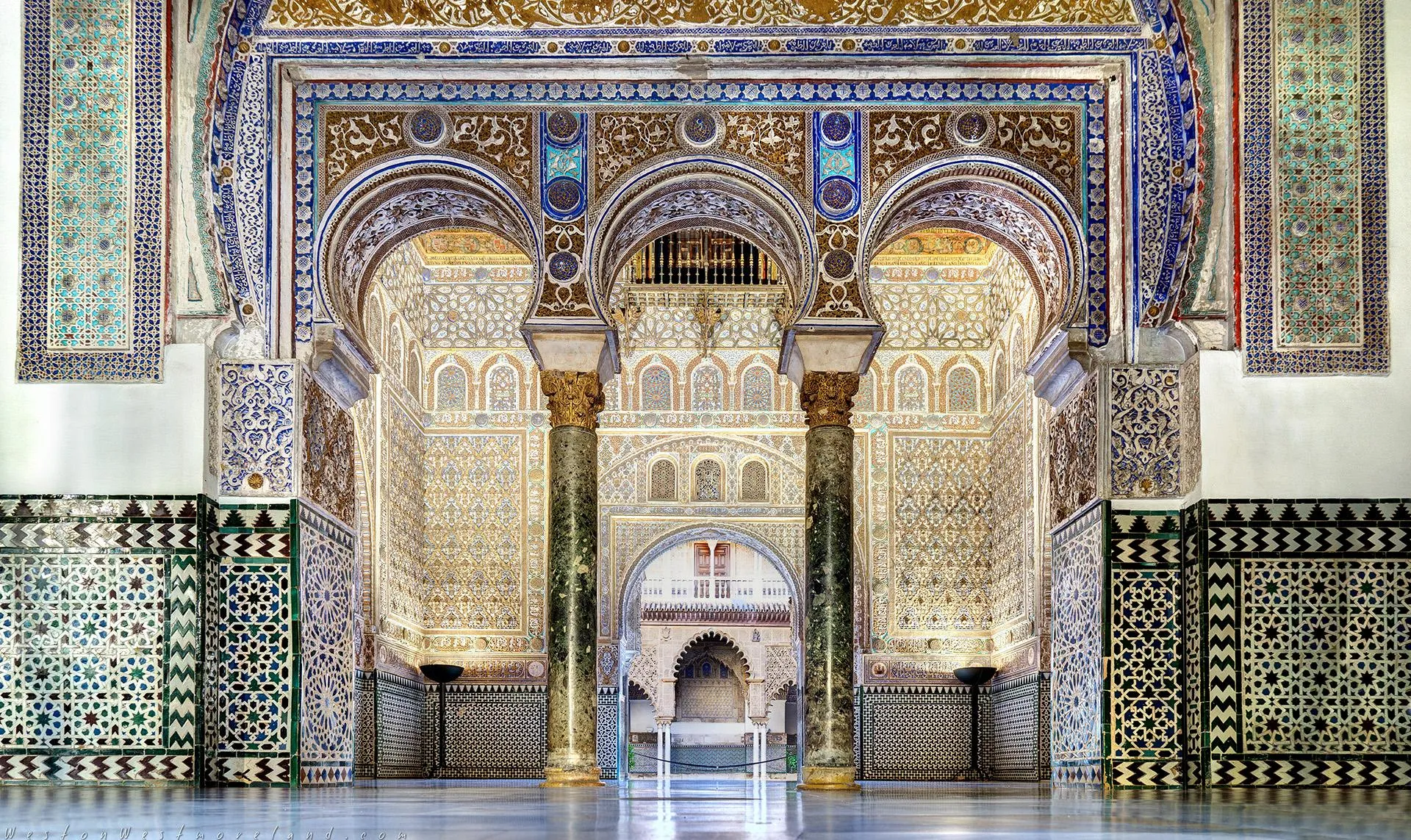
Pedro I’s commission harnessed skilled Islamic artisans to craft a visual diplomacy: intricate stucco & tile motifs framing royal authority while signaling cultural negotiation.
Water & Gardens
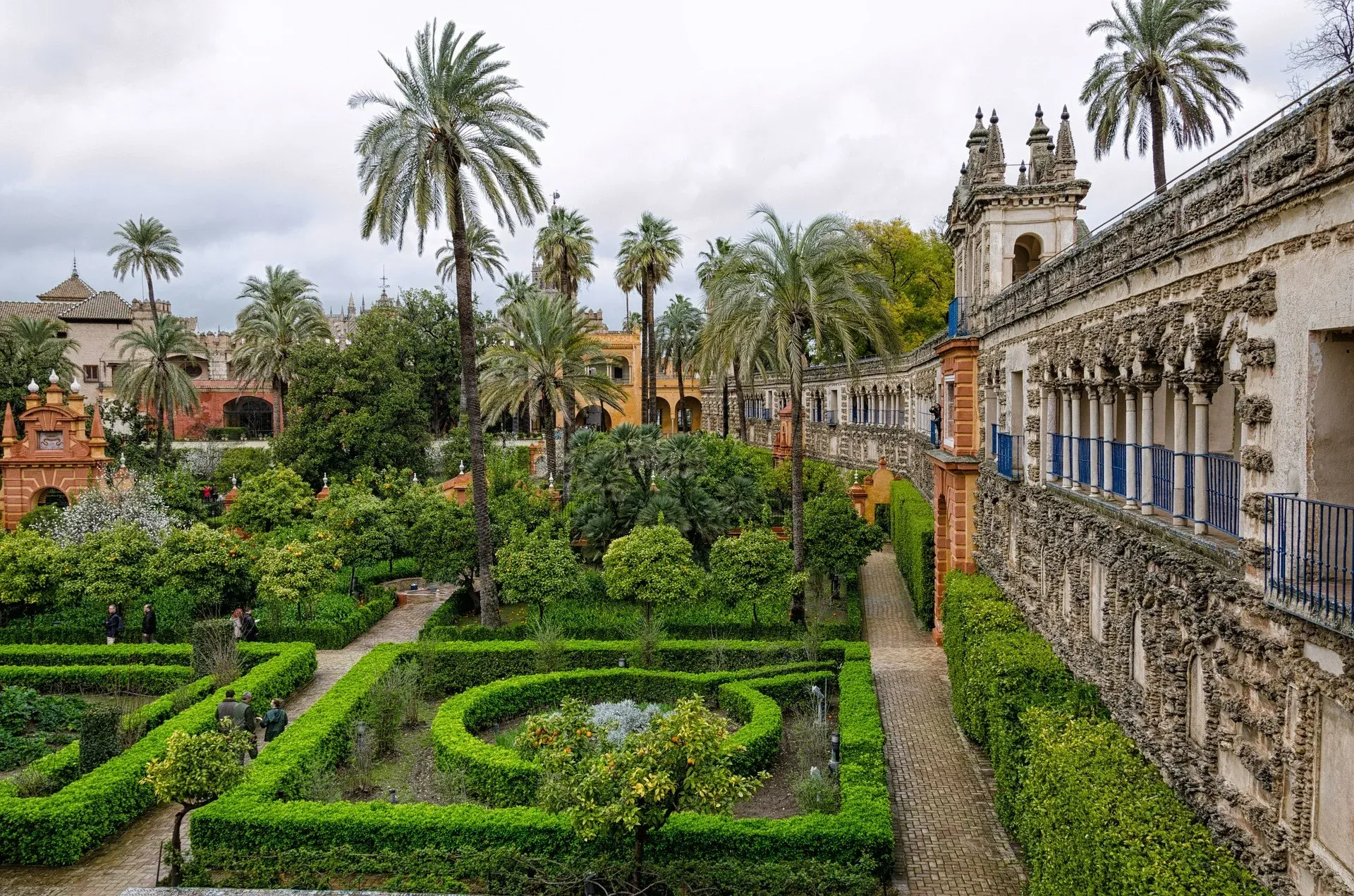
Hydraulic systems echoed paradise garden ideals, marrying geometry and sensory cooling — political theater and ecological strategy combined.
Modern Conservation Focus
Current work leans toward micro-stabilization (humidity regulation, stucco salt extraction, discreet LED lighting tests) rather than broad reconstruction.
Image Highlights
Bottom Line
The Alcázar’s narrative is negotiated layering — read surfaces as dialogues across centuries, not isolated styles.
Tentang penulis

History Writer
Saya membuat ini agar kamu bisa menikmati istana dengan cerdas—ritme jelas, waktu tepat, dan konteks yang membuat setiap patio bergaung.
Tags
Comments (0)
Loading comments...